
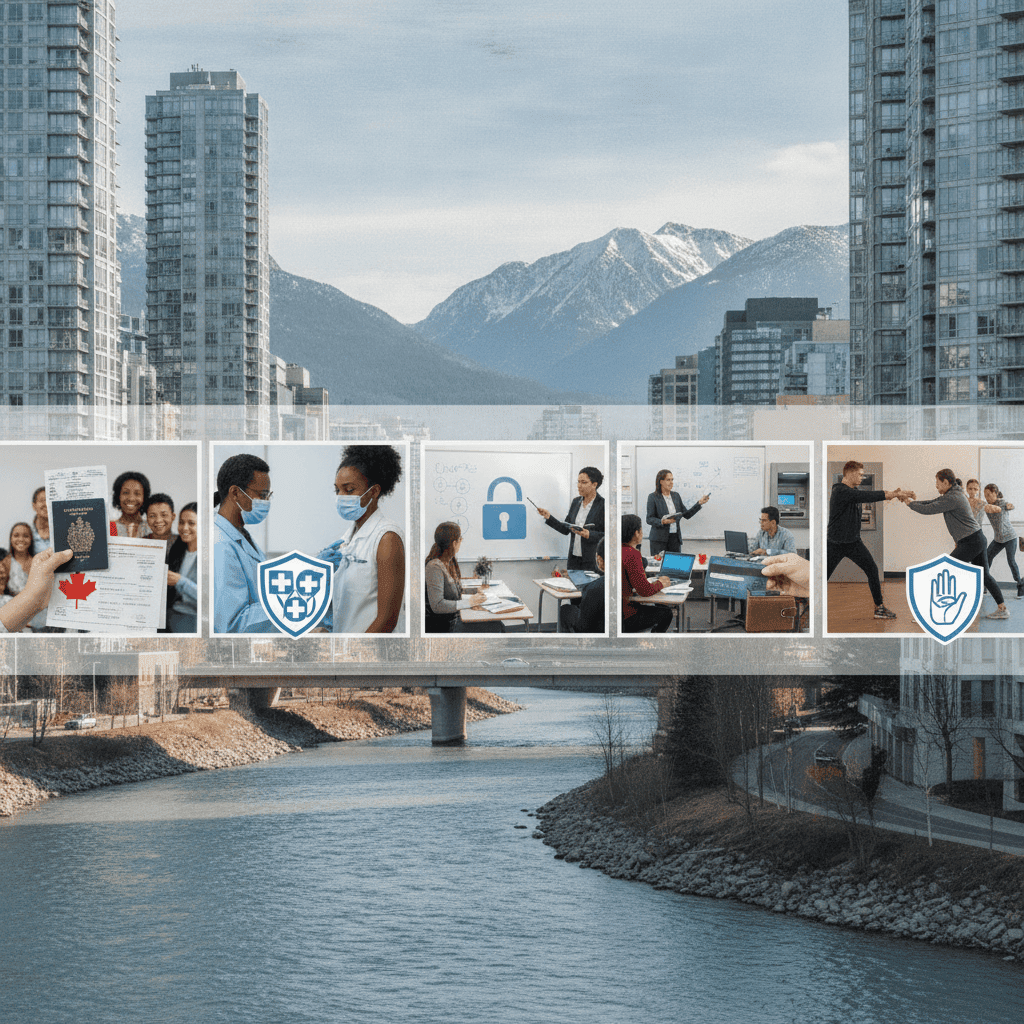
Protect Yourself Five Ways New in Canada
Moving to a new country like Canada is a big, exciting change. I understand it comes with fresh opportunities but also new challenges. Many things feel different when you arrive. You might feel overwhelmed by a new language, different customs, or just the practicalities of setting up a new life.
I know adapting takes time and patience. It helps to have clear information on how to keep yourself safe and secure. Safety is not just about avoiding danger. It also means feeling comfortable and confident in your new home.
This article will help you understand essential ways to protect yourself five ways new in Canada. I want to share practical advice for new residents. This information will help you settle in with greater peace of mind.
Understanding Canadian Laws and Your Rights
When you arrive in Canada, one of the first and most important things to learn is about the legal system. Canada operates under a common law system. This means decisions in court cases often rely on past rulings. Knowing your rights is your strongest shield against unfair treatment or misunderstandings. Every resident, including newcomers, has fundamental rights under the Canadian Charter of Rights and Freedoms.
I always tell people to spend time learning about laws that directly affect daily life. This includes employment standards, housing regulations, and consumer protection. For example, knowing your rights as a tenant can save you from scams or unfair eviction practices. Understanding labor laws helps protect you in the workplace. This knowledge prevents exploitation and ensures fair wages and working conditions.
Accessing Legal Aid and Information
Canada offers legal aid services for people who cannot afford a lawyer. These services are vital for new residents facing legal issues. I encourage you to look into organizations that provide free legal clinics or low-cost consultations. Many community centers also offer workshops and information sessions about Canadian law. These sessions cover topics like immigration law, family law, and criminal law.
Do not hesitate to seek advice if you feel unsure about a legal matter. Speaking up early can prevent small problems from growing into big ones. You can find resources online and at local government offices. This helps you understand what is expected of you and what you can expect from others.
Building a Strong Financial Foundation
Financial security is a huge part of feeling safe and settled. As a new resident in Canada, establishing a solid financial base is essential. I always recommend opening a bank account as soon as possible. This makes managing your money easier and safer than carrying cash. It also helps you start building a credit history. This credit history is important for renting an apartment, getting a phone plan, or buying a car.
Beware of financial scams targeting newcomers. I often see cases where people promise fast money or ask for personal banking details. Always be cautious about unsolicited emails or calls asking for money or private information. Legitimate institutions will not ask for your password or PIN. Remember, if something sounds too good to be true, it likely is.
Managing Your Money Wisely
Learning how to budget is a crucial skill for newcomers. I suggest tracking your income and expenses to understand where your money goes. This helps you save for emergencies and future goals. Canada has different tax laws than other countries. You should learn about the Canadian tax system to avoid any issues. The Canada Revenue Agency website provides reliable information.
Many banks offer financial literacy programs specifically for newcomers. These programs teach you about banking services, credit, and investments. Taking advantage of these free resources can make a big difference. It helps you make smart financial choices and build lasting stability. A strong financial standing is a powerful way to protect yourself.
Navigating Healthcare and Emergency Services
Canada has a publicly funded healthcare system, but understanding how it works takes some effort. As a new resident, getting your health card is one of the first steps. This card lets you access medical services without direct payment at the point of care. Each province and territory has its own health insurance plan. You must apply for the one in your area.
I always advise new residents to find a family doctor. Having a primary care physician helps manage your health consistently. If you cannot find a family doctor right away, walk-in clinics are available. These clinics provide care for non-emergency issues. Knowing how to access these services means you can protect yourself by getting help when you need it.
Understanding Emergency Protocols
Knowing when and how to contact emergency services is critical for your safety. In Canada, you dial 911 for police, fire, or ambulance emergencies. Only use this number for true emergencies. It is not for general information or non-urgent matters. I always stress the importance of being able to clearly explain your situation and location when you call 911.
For non-emergency police matters, you should call your local police detachment’s non-emergency line. This frees up the 911 system for critical incidents. You also should know the location of the nearest hospital with an emergency room. Being prepared for health emergencies helps keep you safe.
Community Safety and Local Support Systems
Integrating into your new community plays a big part in feeling safe and supported. Canada is known for its welcoming communities. But it still pays to be aware of your surroundings and local safety practices. I recommend researching your neighborhood. Learn about local crime rates and community watch programs if they exist.
Building connections with neighbors and local community groups is helpful. These relationships can provide a sense of belonging and an informal support network. Many cities have newcomer support organizations. These groups help with everything from language training to job searching. They also offer guidance on local services and safety. You can find valuable new resident safety tips from these community resources.
Personal Safety in Public Spaces
Taking common sense precautions in public spaces is always a good idea. I tell people to try to avoid walking alone at night in dimly lit areas. Always keep your valuables out of sight. Trust your instincts. If a situation feels uncomfortable, remove yourself from it. Using public transportation is generally safe. But being aware of your surroundings, especially during off-peak hours, is wise.
Familiarize yourself with local laws regarding personal safety. For example, jaywalking rules and cycling safety regulations keep you safe. Knowing these rules helps prevent accidents and legal issues. The more you know about your local environment, the better you can protect yourself.
Digital Security and Avoiding Scams
In our modern world, protecting yourself online is as important as physical safety. New residents are often targets for digital scams because they might not be familiar with local practices. I see many phishing attempts. These scams try to trick you into giving up personal information like bank details or social insurance numbers. Always verify the sender of emails or messages before clicking on links or providing information.
Government agencies and legitimate companies will not ask for sensitive information through unsolicited emails or texts. If you receive a suspicious message, do not respond. Instead, contact the organization directly using a verified phone number or website. This step helps protect your identity and finances.
Strengthening Your Online Defenses
I advise everyone to use strong, unique passwords for all online accounts. Consider using a password manager to help you keep track. Enabling two-factor authentication adds an extra layer of security. This requires a second verification step, like a code sent to your phone. Be cautious about sharing too much personal information on social media.
Your privacy settings on social platforms are important. Review them regularly. Update your devices and software often. These updates include security patches that protect against new threats. Learning about common online scams in Canada helps you recognize and avoid them. Staying informed digitally is a key way to protect yourself from fraud and identity theft.
Cultivating Personal Well-being and Mental Health
Moving to a new country involves a lot of emotional and mental adjustments. Protecting your mental health is just as vital as your physical safety. I know firsthand that feelings of loneliness or homesickness are common for newcomers. It is okay to feel these emotions. Acknowledge them.
Finding healthy ways to cope with stress is important. This includes engaging in activities you enjoy. It also means spending time with new friends or connecting with family back home. Canada has a diverse range of communities. You can often find groups that share your cultural background or interests. These connections offer comfort and a sense of belonging.
Accessing Mental Health Support
Canada offers various mental health services. These services range from counseling to support groups. If you feel overwhelmed or are struggling with your mental well-being, seek help. Many resources are available through your provincial health insurance plan or community health centers. I encourage you to explore these options without hesitation.
Learning basic stress management techniques helps a lot. Things like deep breathing exercises, mindfulness, or regular physical activity can make a big difference. Do not underestimate the power of a healthy diet and enough sleep. Taking care of your mind and body allows you to handle new challenges more effectively. It helps you build a resilient life in Canada.
Final Thoughts on Protecting Yourself Five Ways New in Canada
Starting a new life in Canada is a monumental step. It brings many opportunities for personal growth and success. I know that feeling safe and secure is foundational to thriving in any new environment. By taking proactive steps, you can significantly ease your transition and ensure your well-being.
Remember to educate yourself on Canadian laws and your rights. This knowledge is your first line of defense. Build a strong financial foundation by managing your money wisely and avoiding scams. Understand how to access Canada’s healthcare and emergency services effectively. Engage with your community and build a support network to enhance your social safety. Protect your digital presence by being vigilant against online fraud and identity theft. Finally, prioritize your mental health and seek support when needed. Each of these steps contributes to a safer, more confident experience. I encourage you to explore all available resources and build a fulfilling life here. You are not alone on this journey. Embrace the process and protect yourself at every turn.